Buy sexyelders.eu ?
We are moving the project
sexyelders.eu .
Are you interested in purchasing the domain
sexyelders.eu ?
domain@kv-gmbh.de · 0541-91531010
Buy sexyelders.eu ?
What happens in the small intestine?
The small intestine is where most of the digestion and absorption of nutrients from food takes place. Enzymes from the pancreas and bile from the liver help break down food into smaller molecules that can be absorbed by the intestinal lining. Villi and microvilli in the small intestine increase the surface area for absorption, allowing nutrients like carbohydrates, proteins, fats, vitamins, and minerals to be taken up into the bloodstream and transported to cells throughout the body. Any remaining undigested food then moves on to the large intestine for further processing. **
What is the small intestine in horses?
The small intestine in horses is a long, coiled tube that is a crucial part of the digestive system. It is responsible for the majority of nutrient absorption, including proteins, carbohydrates, and fats. The small intestine is where the majority of the digestive process takes place, as it is where enzymes and other digestive juices break down food into smaller molecules that can be absorbed into the bloodstream. It is a vital organ for the overall health and well-being of the horse. **


Similar search terms for Small intestine
Top-Angebote
Products related to Small intestine:
-
Uplifted Goods Elegant Metal Candle Extinguisher Aromatherapy Tool silver SmallSafely manage your home ambiance with the Elegant Metal Candle Extinguisher. This professional grade aromatherapy accessory is meticulously engineered with high quality metal designed to provide a smoke free and safe method for putting out candles....34,97 $*Shipping: 0,00 $Secure redirect to the provider
-
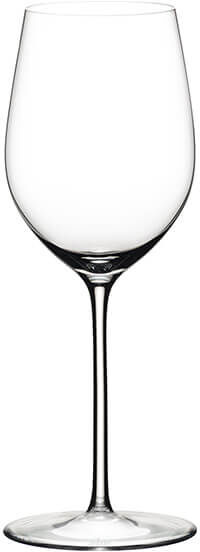
Riedel Sommeliers Mature Bordeaux Chablis Wine GlassThe Riedel Sommeliers Mature Bordeaux/Chablis/Chardonnay glass is expertly shaped to reveal the subtle nuances and refined structure of mature reds and expressive white wines. Designed in 1973, this versatile bowl allows white wines—such as Chablis and unoaked or delicately oaked Chardonnay—to express their freshness, spiciness, and mineral character, while bringing forward a supple, velvety texture and a long, harmonious finish. During specialist workshops, Riedel also confirmed that this shape is the ideal companion for mature Bordeaux, allowing softened tannins and evolved aromatics to bloom with elegance. Handmade by master glassmakers, every piece in the pioneering Sommeliers collection carries unique artisanal character, reflecting Riedel’s early revolution in varietal‑specific, function‑driven design. Thin‑blown, unadorned, and crafted from premium crystal glass, the glass adheres to Claus J. Riedel’s Bauhaus‑inspired belief that form must follow function—proving that the right shape enhances depth, balance, and aromatic precision. Fully dishwasher‑safe, this stemware highlights a wide range of refined white grapes—Sauvignon Blanc (oaked), Viognier, Friulano, Albariño, Chardonnay, and more—while also performing beautifully with softened Bordeaux blends. With a capacity of 350ml and a height of 21.6cm, it offers an ideal proportion for wines that shine through texture, minerality, and layered aromatics.88,00 £*Shipping: 0,00 £Secure redirect to the provider
-
Uplift Essentials Elegant Floral Engraved Bracelet Watch Luxury Fashion Dress Wristwatch For Sophisticated Women gold Black"Embrace a touch of botanical beauty and highfashion luxury with a timepiece that celebrates feminine detail. This premium luxury bracelet watch is a masterclass in ""Romantic Minimalism,"" featuring an exquisitely engraved band that turns a..."68,97 $*Shipping: 0,00 $Secure redirect to the provider



-
Where does the name small intestine come from?
The name "small intestine" comes from its relatively smaller diameter compared to the large intestine. The small intestine is actually longer than the large intestine, but it was named based on its narrower diameter. It is the part of the digestive system where most of the digestion and absorption of nutrients takes place. **
-
What happens during absorption in the small intestine?
During absorption in the small intestine, the nutrients from the digested food are absorbed into the bloodstream. The inner surface of the small intestine is lined with millions of tiny, finger-like projections called villi, which increase the surface area for absorption. Nutrients such as carbohydrates, proteins, fats, vitamins, and minerals are absorbed through the walls of the small intestine and then transported to the rest of the body through the bloodstream. This process is essential for providing the body with the necessary nutrients for energy, growth, and overall functioning. **
-
How long is the small intestine of an adult?
The small intestine of an adult is typically around 20 feet long. It is divided into three sections: the duodenum, the jejunum, and the ileum. The small intestine is where most of the digestion and absorption of nutrients from food takes place. Its long length allows for a large surface area for nutrient absorption to occur. **
-
Why doesn't pepsin attack the proteins in the small intestine?
Pepsin is an enzyme that is specifically designed to function in the acidic environment of the stomach. Once the partially digested food leaves the stomach and enters the small intestine, the pH becomes more neutral, which is not an optimal environment for pepsin to function effectively. Additionally, the small intestine contains other enzymes like trypsin and chymotrypsin that are responsible for further breaking down proteins into smaller peptides and amino acids. **

Can pepsin also act as an enzyme in the small intestine?
No, pepsin cannot act as an enzyme in the small intestine. Pepsin is an enzyme that is produced in the stomach and is responsible for breaking down proteins into smaller peptides. Once the food moves from the stomach to the small intestine, the acidic environment of the stomach is neutralized, and pepsin becomes inactive. In the small intestine, other enzymes such as trypsin, chymotrypsin, and peptidases take over the role of breaking down proteins into amino acids for absorption. **
In which intestine is liverwurst made, in the gold intestine or in the natural intestine?
Liverwurst is typically made in the natural intestine. The natural intestine, also known as the casing, is the traditional method for shaping and cooking liverwurst. It is made from the cleaned and processed intestines of animals, such as pigs or sheep, and is used to encase the liverwurst mixture before it is cooked. The gold intestine, on the other hand, is a synthetic casing that is sometimes used in modern food production processes. **
Top-Angebote
Products related to Small intestine:
-
Attractive Office Desk,Computer Desk,Spacious Executive DeskSturdy Construction - Masterfully designed with solid wood, this desk features robust legs for stability on any surface, ensuring an ideal blend of design and durability for daily tasks.567,49 $*Shipping: 0,00 $Secure redirect to the provider
-
Uplift Essentials Elegant Floral Engraved Bracelet Watch Luxury Fashion Dress Wristwatch For Sophisticated Women gold"Embrace a touch of botanical beauty and highfashion luxury with a timepiece that celebrates feminine detail. This premium luxury bracelet watch is a masterclass in ""Romantic Minimalism,"" featuring an exquisitely engraved band that turns a..."68,97 $*Shipping: 0,00 $Secure redirect to the provider
-
Uplifted Goods Elegant Metal Candle Extinguisher Aromatherapy Tool silver SmallSafely manage your home ambiance with the Elegant Metal Candle Extinguisher. This professional grade aromatherapy accessory is meticulously engineered with high quality metal designed to provide a smoke free and safe method for putting out candles....34,97 $*Shipping: 0,00 $Secure redirect to the provider
-
Riedel Sommeliers Mature Bordeaux Chablis Wine GlassThe Riedel Sommeliers Mature Bordeaux/Chablis/Chardonnay glass is expertly shaped to reveal the subtle nuances and refined structure of mature reds and expressive white wines. Designed in 1973, this versatile bowl allows white wines—such as Chablis and unoaked or delicately oaked Chardonnay—to express their freshness, spiciness, and mineral character, while bringing forward a supple, velvety texture and a long, harmonious finish. During specialist workshops, Riedel also confirmed that this shape is the ideal companion for mature Bordeaux, allowing softened tannins and evolved aromatics to bloom with elegance. Handmade by master glassmakers, every piece in the pioneering Sommeliers collection carries unique artisanal character, reflecting Riedel’s early revolution in varietal‑specific, function‑driven design. Thin‑blown, unadorned, and crafted from premium crystal glass, the glass adheres to Claus J. Riedel’s Bauhaus‑inspired belief that form must follow function—proving that the right shape enhances depth, balance, and aromatic precision. Fully dishwasher‑safe, this stemware highlights a wide range of refined white grapes—Sauvignon Blanc (oaked), Viognier, Friulano, Albariño, Chardonnay, and more—while also performing beautifully with softened Bordeaux blends. With a capacity of 350ml and a height of 21.6cm, it offers an ideal proportion for wines that shine through texture, minerality, and layered aromatics.88,00 £*Shipping: 0,00 £Secure redirect to the provider
-
What happens in the small intestine?
The small intestine is where most of the digestion and absorption of nutrients from food takes place. Enzymes from the pancreas and bile from the liver help break down food into smaller molecules that can be absorbed by the intestinal lining. Villi and microvilli in the small intestine increase the surface area for absorption, allowing nutrients like carbohydrates, proteins, fats, vitamins, and minerals to be taken up into the bloodstream and transported to cells throughout the body. Any remaining undigested food then moves on to the large intestine for further processing. **
-
What is the small intestine in horses?
The small intestine in horses is a long, coiled tube that is a crucial part of the digestive system. It is responsible for the majority of nutrient absorption, including proteins, carbohydrates, and fats. The small intestine is where the majority of the digestive process takes place, as it is where enzymes and other digestive juices break down food into smaller molecules that can be absorbed into the bloodstream. It is a vital organ for the overall health and well-being of the horse. **
-
Where does the name small intestine come from?
The name "small intestine" comes from its relatively smaller diameter compared to the large intestine. The small intestine is actually longer than the large intestine, but it was named based on its narrower diameter. It is the part of the digestive system where most of the digestion and absorption of nutrients takes place. **
-
What happens during absorption in the small intestine?
During absorption in the small intestine, the nutrients from the digested food are absorbed into the bloodstream. The inner surface of the small intestine is lined with millions of tiny, finger-like projections called villi, which increase the surface area for absorption. Nutrients such as carbohydrates, proteins, fats, vitamins, and minerals are absorbed through the walls of the small intestine and then transported to the rest of the body through the bloodstream. This process is essential for providing the body with the necessary nutrients for energy, growth, and overall functioning. **
Similar search terms for Small intestine
-
Uplift Essentials Elegant Floral Engraved Bracelet Watch Luxury Fashion Dress Wristwatch For Sophisticated Women gold Black"Embrace a touch of botanical beauty and highfashion luxury with a timepiece that celebrates feminine detail. This premium luxury bracelet watch is a masterclass in ""Romantic Minimalism,"" featuring an exquisitely engraved band that turns a..."68,97 $*Shipping: 0,00 $Secure redirect to the provider
-
Uplift Essentials Elegant Floral Engraved Bracelet Watch Luxury Fashion Dress Wristwatch For Sophisticated Women silver Black"Embrace a touch of botanical beauty and highfashion luxury with a timepiece that celebrates feminine detail. This premium luxury bracelet watch is a masterclass in ""Romantic Minimalism,"" featuring an exquisitely engraved band that turns a..."68,97 $*Shipping: 0,00 $Secure redirect to the provider
-
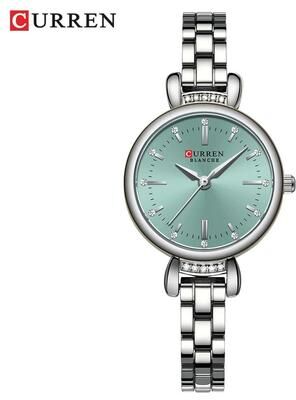
Uplift Essentials Elegant Floral Engraved Bracelet Watch Luxury Fashion Dress Wristwatch For Sophisticated Women silver Green"Embrace a touch of botanical beauty and highfashion luxury with a timepiece that celebrates feminine detail. This premium luxury bracelet watch is a masterclass in ""Romantic Minimalism,"" featuring an exquisitely engraved band that turns a..."68,97 $*Shipping: 0,00 $Secure redirect to the provider
-
How long is the small intestine of an adult?
The small intestine of an adult is typically around 20 feet long. It is divided into three sections: the duodenum, the jejunum, and the ileum. The small intestine is where most of the digestion and absorption of nutrients from food takes place. Its long length allows for a large surface area for nutrient absorption to occur. **
-
Why doesn't pepsin attack the proteins in the small intestine?
Pepsin is an enzyme that is specifically designed to function in the acidic environment of the stomach. Once the partially digested food leaves the stomach and enters the small intestine, the pH becomes more neutral, which is not an optimal environment for pepsin to function effectively. Additionally, the small intestine contains other enzymes like trypsin and chymotrypsin that are responsible for further breaking down proteins into smaller peptides and amino acids. **
-
Can pepsin also act as an enzyme in the small intestine?
No, pepsin cannot act as an enzyme in the small intestine. Pepsin is an enzyme that is produced in the stomach and is responsible for breaking down proteins into smaller peptides. Once the food moves from the stomach to the small intestine, the acidic environment of the stomach is neutralized, and pepsin becomes inactive. In the small intestine, other enzymes such as trypsin, chymotrypsin, and peptidases take over the role of breaking down proteins into amino acids for absorption. **
-
In which intestine is liverwurst made, in the gold intestine or in the natural intestine?
Liverwurst is typically made in the natural intestine. The natural intestine, also known as the casing, is the traditional method for shaping and cooking liverwurst. It is made from the cleaned and processed intestines of animals, such as pigs or sheep, and is used to encase the liverwurst mixture before it is cooked. The gold intestine, on the other hand, is a synthetic casing that is sometimes used in modern food production processes. **
* All prices are inclusive of VAT and, if applicable, plus shipping costs. The offer information is based on the details provided by the respective shop and is updated through automated processes. Real-time updates do not occur, so deviations can occur in individual cases. ** Note: Parts of this content were created by AI.